
“Is it normal for my gums to bleed this much now I’m pregnant?”
A patient asked me that recently, about halfway through her hygiene appointment. She’d noticed pink in the sink every time she brushed and was worried she was doing something wrong. She wasn’t. It’s one of the most common questions I’m asked by mums-to-be, so I thought it was worth answering properly here.
Why pregnancy affects your gums
Pregnancy hormones change the way your gums react to plaque. The same small amount of plaque that your gums would normally shrug off can suddenly make them red, puffy and quick to bleed. This is called pregnancy gingivitis, and a lot of women get it, usually from around the second or third month.
Some women also notice a small, red, fleshy lump on the gum between two teeth. It’s sometimes called a pregnancy epulis. It looks alarming but is harmless, and it often shrinks after the baby arrives. If you spot one, let us check it, but there’s no need to panic.
Does gum health matter for the baby?
This is where I’d rather be honest than scary. Studies have found that women with gum disease (periodontitis, the more advanced form that affects the bone around the teeth) are more likely to have a premature or low birth weight baby. Some research has also linked gum disease with gestational diabetes.
What the research hasn’t shown is that gum disease directly causes these problems, or that treating it in pregnancy prevents them. Lots of other things are involved. But healthy gums are good for you, the treatment is safe and gentle, and there’s no downside to looking after them, so it’s well worth doing.
Looking after your mouth while you’re expecting
- Brush twice a day with a fluoride toothpaste. Use one with 1,350 to 1,500ppm fluoride, last thing at night and one other time. Spit out afterwards rather than rinsing with water, so the fluoride keeps working.
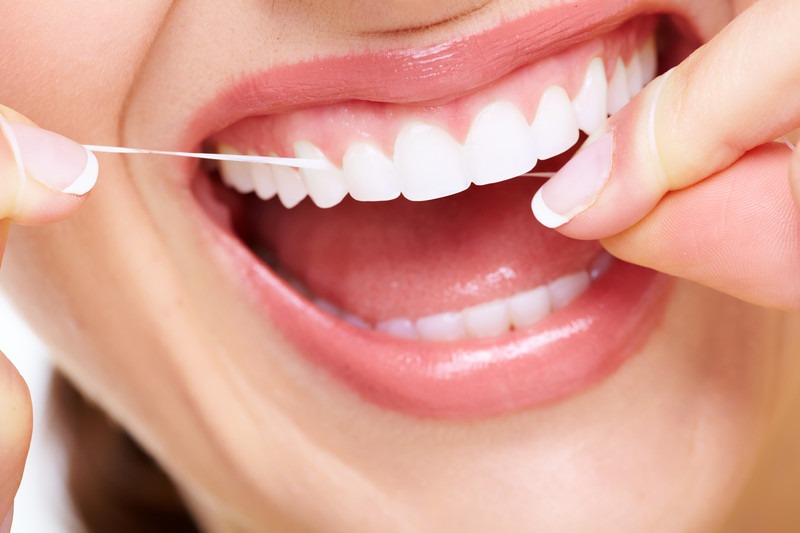
- Clean between your teeth once a day. Interdental brushes are usually easier and more effective than floss for most adults. Bleeding when you start is a sign your gums need the cleaning, not that you should stop. It should settle within a week or two.
- If you have morning sickness, don’t brush straight away. Stomach acid softens the enamel, and brushing immediately can wear it away. Rinse with water or a fluoride mouthwash instead and wait about an hour before brushing.
- Keep an eye on snacking. Cravings and little-and-often eating mean your teeth face more sugar attacks. Keep sugary snacks and drinks to mealtimes where you can, and choose things like cheese, plain yoghurt or vegetable sticks in between.
- Follow your midwife’s advice on diet. A balanced diet with enough calcium and vitamin C supports your teeth and gums as well as your baby.
Seeing the dentist and hygienist while pregnant
It’s safe, and it’s a good idea. Tell us as soon as you know you’re pregnant, even if it’s early days, so we can plan your care around it.
- Hygiene appointments are safe throughout pregnancy. If your gums are bleeding a lot, an extra clean during your pregnancy can make a real difference to how they feel.
- Routine treatment such as fillings is usually most comfortable in the middle three months, when nausea has often eased and lying back is still easy. Don’t put off treatment for pain or infection, though. We can treat that at any stage, and the local anaesthetic we use is routinely used in pregnancy.
- X-rays are usually postponed until after the birth unless they’re really needed. If one is necessary, we’ll talk it through with you first.
- Some things can wait. Cosmetic treatments such as teeth whitening are best left until after pregnancy and breastfeeding, and we wouldn’t usually offer IV sedation while you’re pregnant.
If you’re seeing an NHS dentist in England, NHS dental treatment is free while you’re pregnant and for 12 months after your baby is born. You’ll need a maternity exemption certificate (MatEx), which your midwife or GP can arrange.
When to get in touch
Call us if your gums are very swollen or painful, if you have a lump that bleeds or gets in the way when you eat, if a tooth is aching, or if your gums are still bleeding after a couple of weeks of careful cleaning.
For most women, a thorough clean and a few small changes to their routine are enough to settle things down. Pregnancy gives you plenty to think about. Your gums don’t need to be one of them.
If you’d like a hygiene appointment while you’re pregnant, get in touch or call us on 01753 888 000. You can read more about our hygiene appointments and gum treatment.
Quick answers from Dr Naresh
Bleeding gums, explained
Lailla Ibrahim is a Dental Therapist and Hygienist at Chalfont Dentist & Implant Centre in Chalfont St Peter.